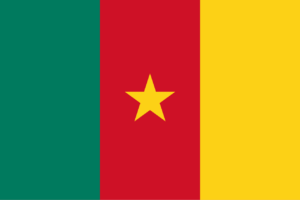

Exploring job opportunities in Cameroon can be an exciting venture for international professionals looking to expand their horizons. With its diverse economy and growing industries, Cameroon offers a range of opportunities across various sectors. However, navigating the process of securing employment in a foreign country requires careful planning and adherence to specific requirements. This guide aims to provide comprehensive information on what international applicants need to know about working in Cameroon.
Understanding the Job Market in Cameroon
The Cameroonian economy is primarily driven by agriculture, oil, and services. However, there is a significant growth in sectors such as telecommunications, finance, and technology. International companies operating in these sectors often seek skilled professionals from abroad to fill specialized roles. Understanding the local market trends and industry demands is crucial for finding suitable job opportunities.
Key Industries for International Applicants
- Agriculture: Cameroon is one of Africa’s largest cocoa producers, offering opportunities in farming, processing, and exportation.
- Oil and Gas: The energy sector provides roles in exploration, production, and management.
- Telecommunications: Growing internet penetration creates demand for IT professionals and telecom experts.
- Finance: Banks and financial institutions require skilled personnel in areas like banking, investment, and risk management.
- Technology: The tech startup ecosystem is expanding, offering positions in software development, data analysis, and digital marketing.
Visa and Work Permit Requirements
To work in Cameroon, international applicants must obtain the necessary visas and work permits. The process can vary depending on the duration of stay and the nature of employment.
Types of Visas
- Temporary Work Visa: Issued for individuals employed by a Cameroonian company or working as consultants.
- Investor Visa: Available for individuals investing in Cameroon’s economy.
- Student Visa: For those pursuing education in Cameroon.
- Family Reunion Visa: For family members joining a Cameroonian resident.
Applying for a Work Permit
Once you have secured a job offer, you must apply for a work permit through the Ministry of Labor. The application process typically involves submitting documents such as:
- Passport copy
- Job offer letter
- Medical report
- Police clearance certificate
- Proof of accommodation
Cultural Insights and Adaptation Tips
Adapting to life in Cameroon involves understanding the local culture, customs, and social norms. Here are some tips to help you settle in:
Language
French is the official language of Cameroon, used in government, business, and education. English is also widely spoken, particularly in urban areas and the business sector. Learning basic French phrases can greatly enhance your communication skills.
Customs and Traditions
Cameroonians are known for their warm hospitality and rich cultural heritage. Familiarize yourself with local customs, such as greeting etiquette, traditional dances, and festivals. Participating in community events can help you build stronger connections with locals.
Food and Cuisine
Cameroonian cuisine is diverse, reflecting the country’s multicultural landscape. Staples include fufu (a starchy dish made from cassava), ndole (a peanut-based stew), and grilled meats. Trying local dishes is a great way to experience the culture.
Networking and Professional Development
Building a professional network in Cameroon is essential for career growth and staying informed about job opportunities. Consider joining local professional associations or attending industry conferences. Engaging with expatriate communities can also provide valuable support and resources.
Professional Associations
- Cameroon Chamber of Commerce and Industry
- Association of Foreign Investors in Cameroon
- Cameroon Institute of Management
Frequently Asked Questions (FAQ)
Can I work remotely for a foreign company in Cameroon?
Yes, you can work remotely for a foreign company in Cameroon, but you may still need to obtain a temporary work visa and work permit if you plan to reside in the country.
What are the tax implications for international workers in Cameroon?
International workers are subject to income tax in Cameroon. The tax rate varies based on your salary and residency status. It’s advisable to consult with a local tax advisor to understand your obligations.
How long does it take to get a work permit?
The processing time for a work permit can vary, but it typically takes several weeks. Providing complete and accurate documentation can expedite the process.
Are there any health and safety concerns in Cameroon?
Like any country, Cameroon has its health and safety challenges. It’s important to take precautions against diseases such as malaria and yellow fever. Staying informed about local health advisories and practicing good hygiene can help mitigate risks.
Conclusion
Working in Cameroon presents unique opportunities and challenges for international applicants. By understanding the job market, visa requirements, and cultural nuances, you can make a successful transition to this vibrant African nation. Whether you’re seeking a new career or looking to expand your professional network, Cameroon offers a welcoming environment for ambitious professionals.
For more detailed information on job opportunities and career development in Cameroon, visit CameroonJobSearch.com.
If you’re interested in exploring other African countries for job opportunities, check out AngolaJobSearch.com for insights into Angola’s job market.